



 14:15 2026-10-26
When a business faces tough regulation or public protest, it turns to the most vulnerable audience — children. The classic marketing playbook does not sell the product directly so much as inoculate kids emotionally against the industry's potential harm. In the 20th century, tobacco firms put charming cartoon characters on screens, fast‑food chains lured youngsters with toys and play areas, and oil companies paid for school textbooks that framed drilling as planet‑saving. Today, that time-tested arsenal has been adopted by the giants of artificial intelligence.

 570
 7


Joe Camel: deliberate subversion
In 1988, tobacco giant R.J. Reynolds introduced the mascot Camel — the cool camel “Joe” wearing sunglasses. Within three years, the campaign had made an impact: an American Medical Association study showed six‑year‑olds recognized Joe Camel as easily as Mickey Mouse. The brand’s share among underage smokers jumped from 2% to 13%, bringing the company hundreds of millions in pocket money. Congress banned the character in 1997, recognizing its cartoon form as a deliberate act of psychological subversion against children.
McDonald’s: cradle of food addiction
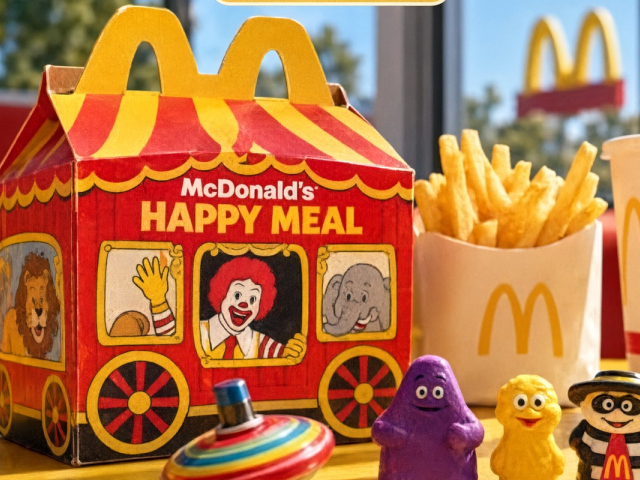
McDonald’s founder Ray Kroc said openly, “If you’ve got a dollar to spend on marketing, spend it on kids.” The introduction of Ronald McDonald, free outdoor PlayPlaces, and Happy Meal toy sets made consumption of high‑calorie food a central part of children’s celebrations. By creating a neural association between the taste of fat and sugar and the reward of a coveted toy, the chain built a customer base for decades: a child raised on Saturday visits to the play area grows up to take their own kids there.
Plastic deception: “clean up after yourself!”
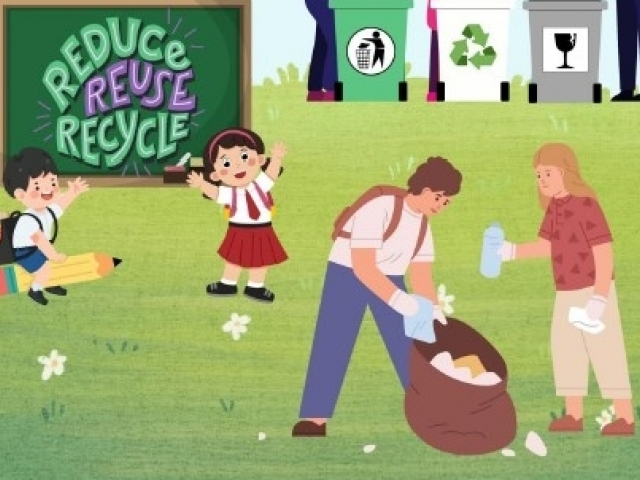
In the 1970s and ’80s, chemical giants (Dow, DuPont, and Chevron Plastics) funneled tons of educational brochures into schools through the Keep America Beautiful campaign. The lesson’s manipulative goal was to shift blame for plastic pollution away from corporations producing non‑degradable packaging and onto the individual consumer who tossed a wrapper past a bin. By instilling a comforting “recycling miracle” mantra (even though less than 9% of plastic is actually recycled), the industry secured a social license to keep producing single‑use packaging.
Sweet sponsorship and concept substitution
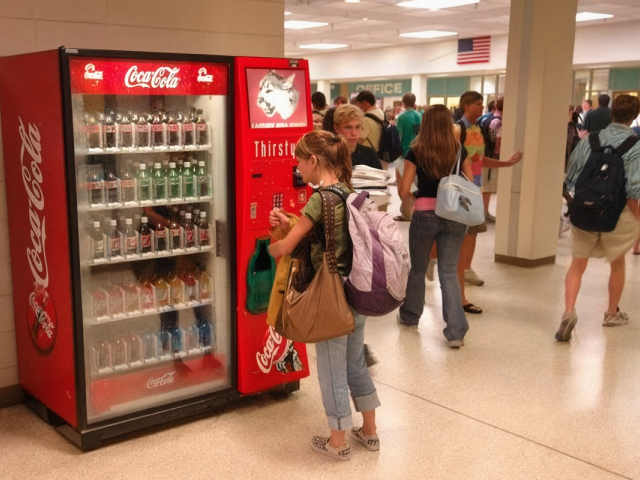
When regulators began to talk about the harms of soda, the beverage industry moved into schools with lucrative “pouring rights” contracts. In exchange for funding school sports, branded vending machines were installed in corridors, and administrations agreed to keep competitors out. At the same time, pseudo‑scientific groups such as the Global Energy Balance Network promoted the false notion that calories from sugary drinks do not matter if kids exercise enough in PE. Responsibility for obesity was cynically shifted from the drink’s composition to children’s supposed “laziness.”
Oil in bright colours
For decades, the oil and gas sector used schools to neutralize the climate agenda. US oil majors like Chevron and ExxonMobil donated teaching kits, colourful posters, and films to schools. These materials presented oil and gas extraction as the sole source of civilisational progress, while downplaying environmental risks as minor issues easily solved by technology. Generations of pupils grew up genuinely believing fossil fuels were an unambiguous good — even as scientists sounded the alarm about the greenhouse effect.
Data centres as fairy tale
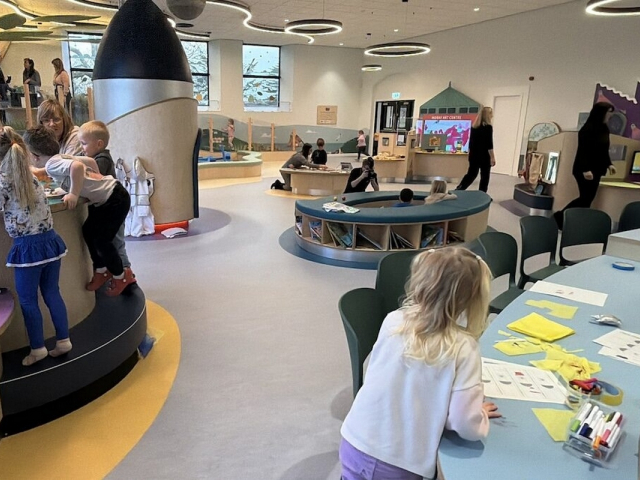
The construction of massive server farms by Microsoft, Google, and Amazon faces strong local opposition. AI data centres consume electricity and water at levels comparable to medium‑sized towns, pushing up utility costs. To blunt the wave of protests, big tech has launched campaigns in primary schools. Corporations publish illustrated books and cartoons portraying data centres as cosy “homes for the cloud,” run interactive tours and competitions with gifts. Systematic engagement with children is dressed up as promoting interest in science and technology.
“Kids’ lobby” effect
Psychologists call the phenomenon “pester power,” but in the case of data centres, it works more subtly. A child returning from an exciting branded excursion with a backpack and a “Friend of AI” badge becomes an authority in the household. At municipal hearings, when adults try to block a new server site over falling water pressure, children become the most ardent defenders: “Mom, they’re building the future — they explained it at school!” Corporations end up with the most sincere lobbyists imaginable, without spending a cent on political campaigning.


-
Grand Choice
Contest by
InstaForexInstaForex always strives to help you
fulfill your biggest dreams.JOIN CONTEST -
Chancy DepositDeposit your account with $3,000 and get $1000 more!
In October we raffle $1000 within the Chancy Deposit campaign!
Get a chance to win by depositing $3,000 to a trading account. Having fulfilled this condition, you become a campaign participant.JOIN CONTEST -
Trade Wise, Win DeviceTop up your account with at least $500, sign up for the contest, and get a chance to win mobile devices.JOIN CONTEST


